




Strength & hypertrophy: free-weights or machines?
In the quest for strength and hypertrophy, free-weights are often considered superior to machines, as they involve greater agonist/synergist activation and also allow much greater use of the core muscles. But is this really the case?
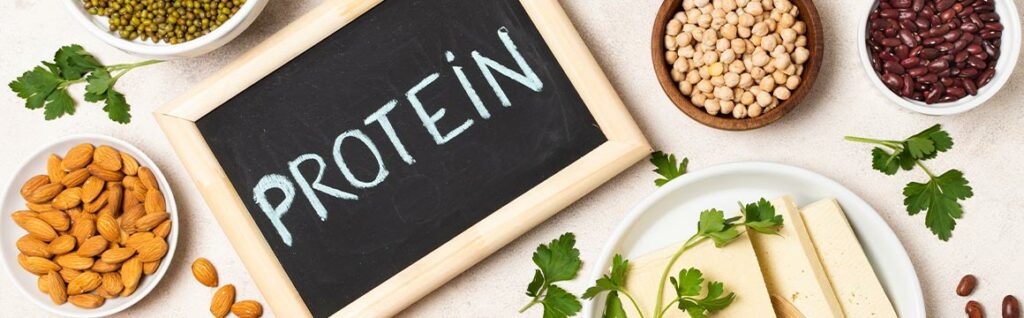
Muscle gains : are animal proteins superior to plant-based proteins?
Plant-based proteins are often considered “inferior” to proteins of animal origin. They would stimulate a lower rate of myofibrillar protein synthesis and they would not allow to sustain a good hypertrophy on the long term… But is this really the case?

Increase training frequency to improve strength and hypertrophy?
Training frequency is one of the most important variables. It allows modulation of the total training volume. However, the results of studies are not always convincing because of the level of training and the natural variability that exists between each individual.

Triceps hypertrophy: impact of arm position
There are several variations of exercises to recruit the triceps brachii. But because of its bi-articular nature, not all exercises will have the same impact in terms of hypertrophic stimulation.

Progressive overload: is it better to increase the load or the number of repetitions?
Progressive overload is a key principle in strength training that relies on increasing the load to ensure continuous neuromuscular adaptations. But what if the overload was done by increasing the number of repetitions instead?

Impact of plyometrics on muscle hypertrophy
The main interest of plyometric training lies in its ability to produce maximum power. However, some athletes question the relevance of this type of work for the purpose of muscle hypertrophy. What is really the case?
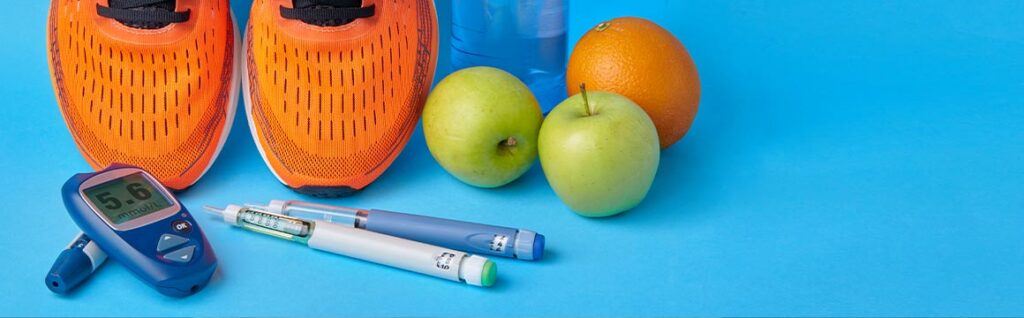
Type 2 diabetes: Dose-response relationship of cardio on glycated hemoglobin
For people with type 2 diabetes, the recommended amount of physical activity is 150 minutes per week of moderate to high intensity. But what is really the impact of training volume on a key marker of diabetes, like glycated hemoglobin level.

Interval training vs. classic “cardio”: difference in fat oxidation
L’entraînement par intervalles (HIIT/SIT) permet d’augmenter l’oxydation des graisses et de diminuer la masse grasse corporelle. Mais quel est l’ampleur de cet effet et est-il plus grand que celui obtenu lors d’un effort continu à faible intensité ?
