




The “Low T” business, or how to sell testosterone like candy
On Instagram and TikTok, certain content portrays testosterone as a symbol of performance, virility, and masculine conformity, with direct promises of health and fitness benefits… What are the actual medical implications?

Sleep and Biological Aging
What if the amount of sleep we get affects not only the brain, but also the biological age of various organs? By mapping the relationship between a multitude of organs and sleep in adults, is the length of our nights associated with a more advanced biological age?

Structured Exercise After Chemotherapy: A Turning Point in Colon Cancer?
Physical exercise is often promoted as a form of support following cancer treatment, but its impact on recurrence has been difficult to demonstrate. This phase 3 randomized trial provides a level of evidence rarely achieved in this field by testing a structured 3-year program following adjuvant chemotherapy for colon cancer.
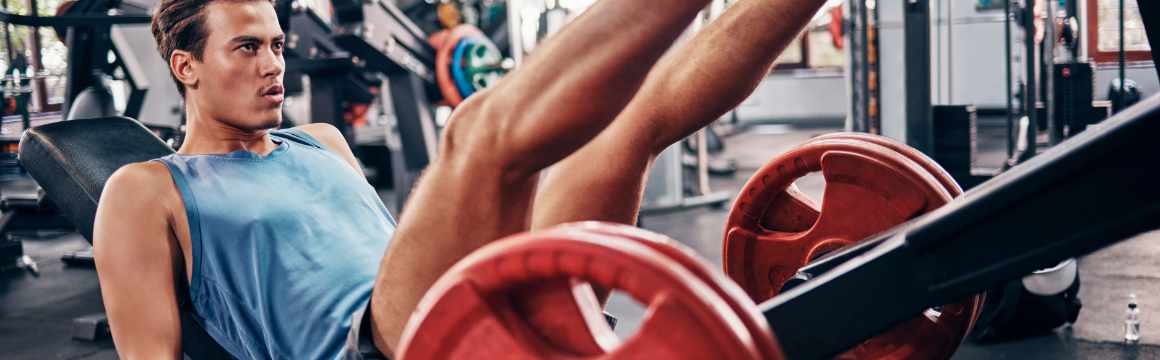
Concurrent Training: The Interference May Not Be Where You Expect It
Combined training is often blamed for hindering gains from strength training. This study goes beyond simply measuring performance by directly examining protein synthesis, satellite cells, and muscle fiber hypertrophy.
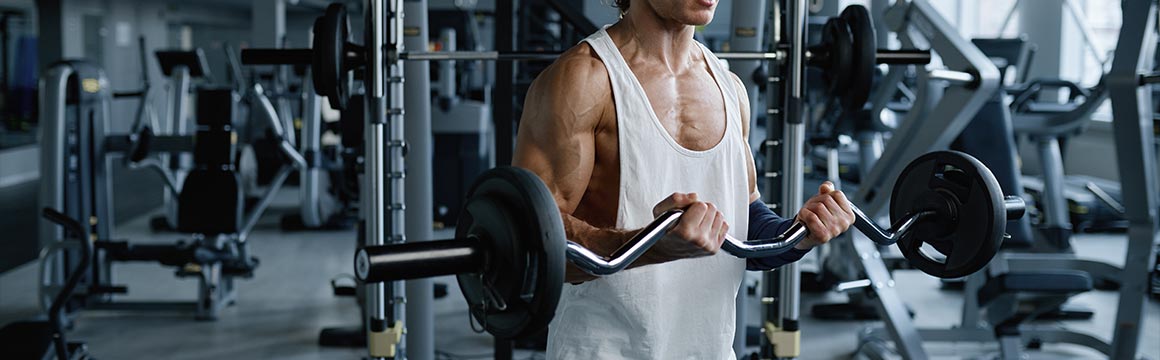
Muscle hypertrophy, strength, and volume: how does the relationship evolve?
Le volume et la fréquence sont souvent présentés comme des leviers simples de progression. Toutefois, ils ne produiraient pas les mêmes effets selon que l’objectif soit la force ou l’hypertrophie, et selon que toutes les séries soient directes ou indirectes…

Daily Step Count and Sleep
L’activité physique et le sommeil sont souvent présentés comme deux piliers séparés de la santé cardiovasculaire. Cette étude invite à les lire ensemble, non pas pour chercher lequel compense l’autre, mais pour comprendre comment ils structurent le risque au quotidien.
Active Deload in Strength Training: Does Temporarily Reducing Volume Hinder Progress?
Deloads are often used in strength training to prevent a drop in performance or aid recovery. But is temporarily reducing volume and frequency enough to preserve adaptations, or is it necessary to maintain the program’s full continuity?
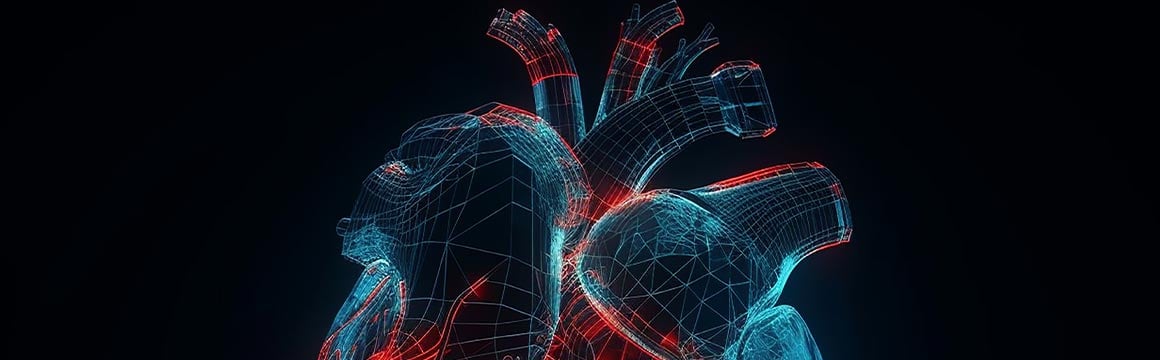
Mechanical Stress and Cancer: When the Heart Becomes a Hostile Environment for Tumor Cells
Cancer development may also depend on the physical environment of the cells. In certain tissues, mechanical forces may inhibit tumor proliferation. Understanding these interactions opens up a new perspective at the interface between biology and mechanics.
