



Exercise and biological aging: what telomeres tell us
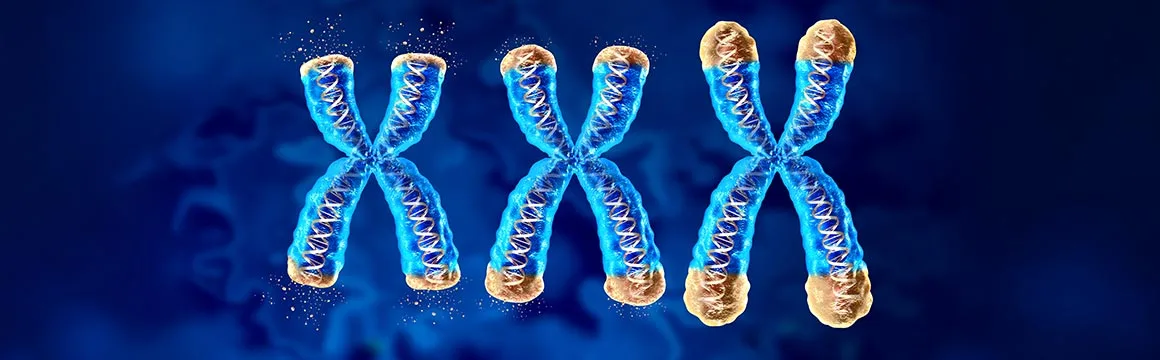
Demographic aging is accelerating worldwide, with the proportion of people aged 60 and over set to increase sharply by 2050, to the point of exceeding that of children, reflecting a structural aging of populations. Faced with this major public health challenge, the development of interventions capable of reducing the incidence of age-related diseases is becoming a priority, both to improve quality of life and to limit medical costs. Research shows that nutritional and/or physical activity interventions can delay the onset of age-related diseases. Among the key mechanisms identified, telomere length and integrity play a central role in cellular aging, with telomere shortening associated with decreased life expectancy and an increased risk of chronic diseases, making telomere erosion one of the major biological markers of aging.
Fortunately, this process is not entirely programmed. The environment, diet, stress, and above all physical activity modulate the rate at which these chromosomal “caps” degrade. Some studies even suggest that exercise may activate telomerase, the enzyme capable of lengthening these protective sequences, offering the potential for relative cellular rejuvenation. But until recently, the results were mixed: some studies pointed to a positive effect of endurance training, others suggested a possible role for HIIT or resistance training, while still others found no difference. So, what is the reality of the situation?
The study
To clarify this question and understand whether exercise could actually slow down cellular aging as measured by telomere length and telomerase activity (and under what conditions), a team of Chinese researchers conducted a meta-analysis. To do this, the researchers analyzed the results of 16 randomized clinical trials. These trials included 1,908 participants, 1,005 in the intervention groups and 903 in the control groups. The populations studied were diverse: healthy subjects, elderly people, patients with chronic diseases (such as breast cancer, type 2 diabetes, or heart disease), menopausal women, obese individuals, and individuals under high psychological stress.
To be included, studies had to meet the following criteria: an exercise protocol lasting at least 16 weeks and involving at least 60 minutes of physical activity per week, measuring telomere length and/or telomerase activity before and after the intervention. Studies combining other interventions (such as diet) were excluded in order to isolate the effect of exercise alone.
The types of training were divided into 3 categories:
- Continuous endurance training (running, walking, swimming, cycling)
- Strength training
- High-intensity interval training (HIIT)
Results & Analysis
The main results of this meta-analysis indicate that physical exercise could potentially contribute to slowing down cellular aging. Overall, physical activity programs helped preserve telomere length (SMD = 0.59, 95% CI: 0.22-0.95) and increase telomerase activity (SMD = 0.36, 95% CI: 0.22-0.51).
When the researchers analyzed the impact of different types of training, differences emerged. Continuous endurance training emerged as the most robust strategy for stimulating telomerase activity, with a significant and consistent improvement in its activity, which would promote the maintenance of chromosomal repair mechanisms. HIIT, although based on a single study ( you can read our summary here), appears promising for maintaining telomere length, probably due to its ability to generate powerful metabolic and antioxidant adaptations despite short training durations.
On the other hand, strength training has not shown statistically significant results on telomeres or telomerase (but the trend remains positive). The authors explain the lack of clear results by the small number of studies available (only three randomized controlled trials were included in this meta-analysis) and by the heterogeneity of the protocols (loads, volume, frequency, targeted muscle groups).
Another interesting observation is that women seem to benefit slightly more from exercise in terms of preserving telomere length. The study authors attribute this difference in part to the action of estrogen and its link to telomerase.
Physiologically, the researchers suggest several mechanisms. Regular exercise reduces oxidative stress by stimulating antioxidant enzymes (such as superoxide dismutase) and limits chronic inflammation by lowering pro-inflammatory cytokines (IL-6, TNF-α). Both of these factors are known to accelerate telomere erosion. In addition, increased telomerase activity may be linked to the activation of protective genes (such as TERT) and increased proliferation of immune cells stimulated by exercise.
Practical applications
Physical exercise may help maintain telomere length and improve telomerase activity, which can help delay cellular aging. Continuous endurance exercise appears to have significant effects on telomerase activity, while HIIT and resistance training require further research due to the limited number of studies and heterogeneous protocols.
However, it should be kept in mind that these results are tempered by potential confounding factors, such as diet and genetic factors that could influence telomere length and telomerase activity independently or in combination with the effects of physical exercise. In addition, telomere lengthening is moderated by mechanisms such as selective apoptosis of cells with short telomeres, which could therefore increase the proportion of cells with longer telomeres without actual lengthening. Thus, the main effect of exercise would be to maintain telomere length relative to the control group. The increase in telomerase activity could result from its recruitment by short telomeres, the proliferation of immune cells, or the upregulation of TERT gene expression.
In practice, based on the protocols used in various studies, to improve telomerase activity, it is recommended to engage in continuous endurance training for more than 150 minutes per week at 60-75% of the maximum heart rate, over a period of more than 6 months. For telomere length, HIIT should be practiced for at least 6 months at a rate of 60 minutes per week at 80-90% of the reserve heart rate. But while endurance maintains cellular protection mechanisms, resistance training supports muscle mass, improves insulin sensitivity, and strengthens overall metabolism. So, even if the effects of strength training on telomeres have not yet been fully demonstrated, combining these two approaches would create a cellular environment conducive to longevity.
Reference
Sun L, Zhang T, Luo L, Yang Y, Wang C & Luo J. Exercise delays aging: evidence from telomeres and telomerase – a systematic review and meta-analysis of randomized controlled trials. Front Physiol 2025 16:1627292.
